Magnesium, measured

    Glycinate or citrate? 200 mg or 400? Does it really help you sleep? This independent UK guide reads the trials, grades the evidence for each claim and shows you how much magnesium is actually in the tub, so you can decide whether you need it at all.

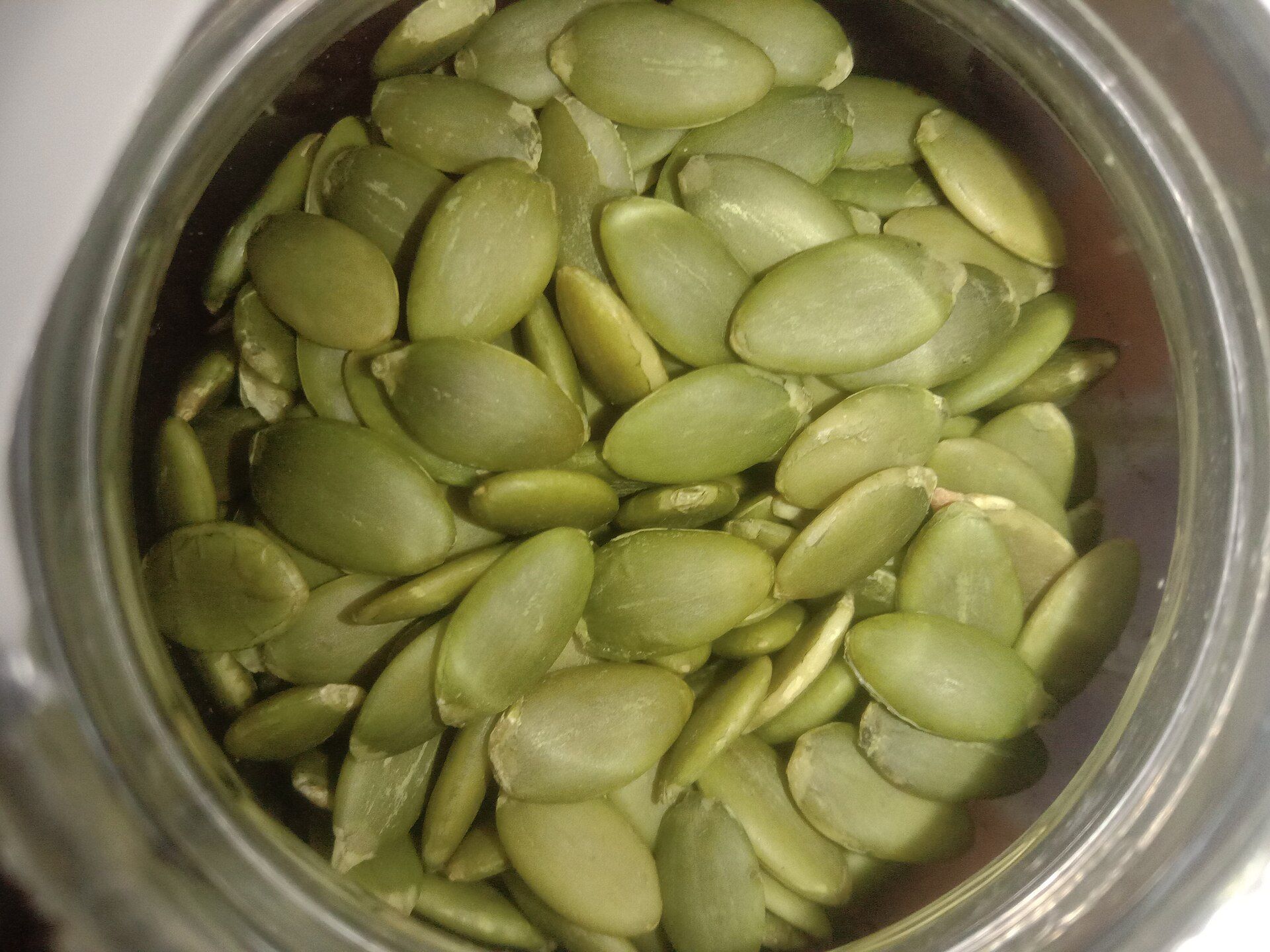
    A glass jar filled to the brim with green shelled pumpkin seeds
    Shelled pumpkin seeds, among the richest food sources of magnesium. Photo: Billjones94, CC0
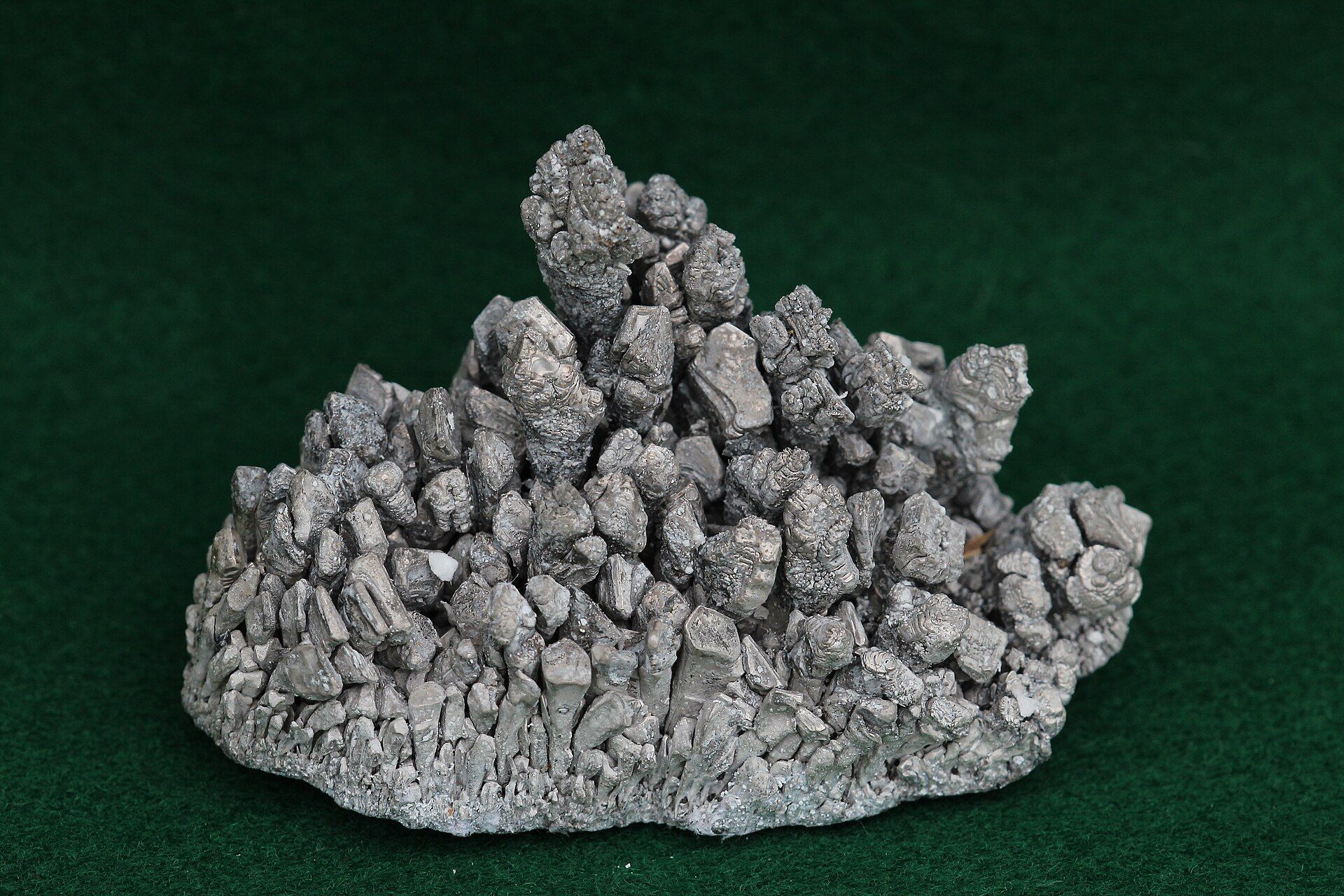
    12MgMagnesium24.305
    300mg
    a day is the UK reference intake for men aged 19 to 64
    270mg
    a day is the reference intake for women aged 19 to 64
    400mg
    a day or less from supplements is unlikely to cause harm, the NHS says
    <1%
    of your body’s magnesium is in the blood, which is why blood tests miss low stores

    What the research supports

    Each common claim, graded by the quality of the human trials behind it. Magnesium does more than most supplements, but far less than the labels suggest, and it helps most when you were short of it to begin with.

    1. Strong evidence

      Constipation

      Magnesium salts are long-established osmotic laxatives, and placebo-controlled trials of magnesium oxide show clear benefit.

    2. Moderate evidence

      Migraine prevention

      Several placebo-controlled trials and a meta-analysis found fewer attacks at around 600 mg a day, but one trial found nothing.

    3. Moderate evidence

      Blood pressure

      A meta-analysis of 34 double-blind trials found a small fall of about 2 mmHg, larger in people with insulin resistance.

    4. Moderate evidence

      Sleep

      Several small placebo-controlled trials found people fell asleep a little faster or rated their sleep better. The effect is modest.

    5. Moderate evidence

      Blood sugar and type 2 diabetes

      Meta-analyses of double-blind trials found slightly lower fasting glucose in type 2 diabetes but no clear change in HbA1c. Gains were largest in people low in magnesium.

    6. Weak evidence

      Anxiety and stress

      A systematic review found hints of benefit in anxious people and those with premenstrual symptoms, but rated the studies as poor quality.

    7. Weak evidence

      Restless legs

      One single-blind trial of 75 people found magnesium oxide beat placebo after two months; a systematic review could not reach a conclusion.

    8. Weak evidence

      Low mood and depression

      One trial found a large improvement, but it had no placebo group, so expectation could explain much of it.

    9. Weak evidence

      Premenstrual mood changes

      One small trial of 32 women found better mood scores; it has not been well replicated.

    10. No good evidence

      Night-time leg cramps

      A Cochrane review found magnesium is unlikely to help older adults with ordinary night cramps. Evidence in pregnancy is conflicting.

    11. No good evidence

      Menopausal hot flushes

      A trial of 289 women found magnesium oxide worked no better than placebo.

    12. No good evidence

      Energy and tiredness

      We found no placebo-controlled trial showing that magnesium reduces tiredness in people whose levels are normal.

    • No good evidence
    • Weak evidence
    • Moderate evidence
    • Strong evidence

    Read the full benefits guide

    How much magnesium is in each form

    A supplement is magnesium bound to something else, and the partner makes up most of the weight. This is why two capsules both labelled “500 mg” can differ fivefold. See every form compared.

    1. Magnesium oxide60%
    2. Magnesium carbonate29%
    3. Magnesium citrate16%
    4. Magnesium malate15%
    5. Magnesium glycinate (bisglycinate)14%
    6. Magnesium chloride12%
    7. Magnesium sulphate (Epsom salt)10%
    8. Magnesium taurate9%
    9. Magnesium L-threonate8%
    Share of each compound's weight that is magnesium, from its chemical formula. A 500 mg capsule of magnesium glycinate holds about 70 mg of magnesium; 500 mg of magnesium oxide holds about 300 mg. More magnesium per capsule does not mean more is absorbed.

    Food first: the UK’s best sources

    Most adults can meet their magnesium needs from food. Seeds, nuts, beans, wholegrains and leafy greens do the heavy lifting, and a small handful of pumpkin seeds covers about half a day. Supplements make most sense when your diet falls short or a doctor has found a low level.

    Foods high in magnesium
    • 156mg in a 28 g handful of roasted pumpkin seeds
    • 80mg in 28 g of roasted almonds
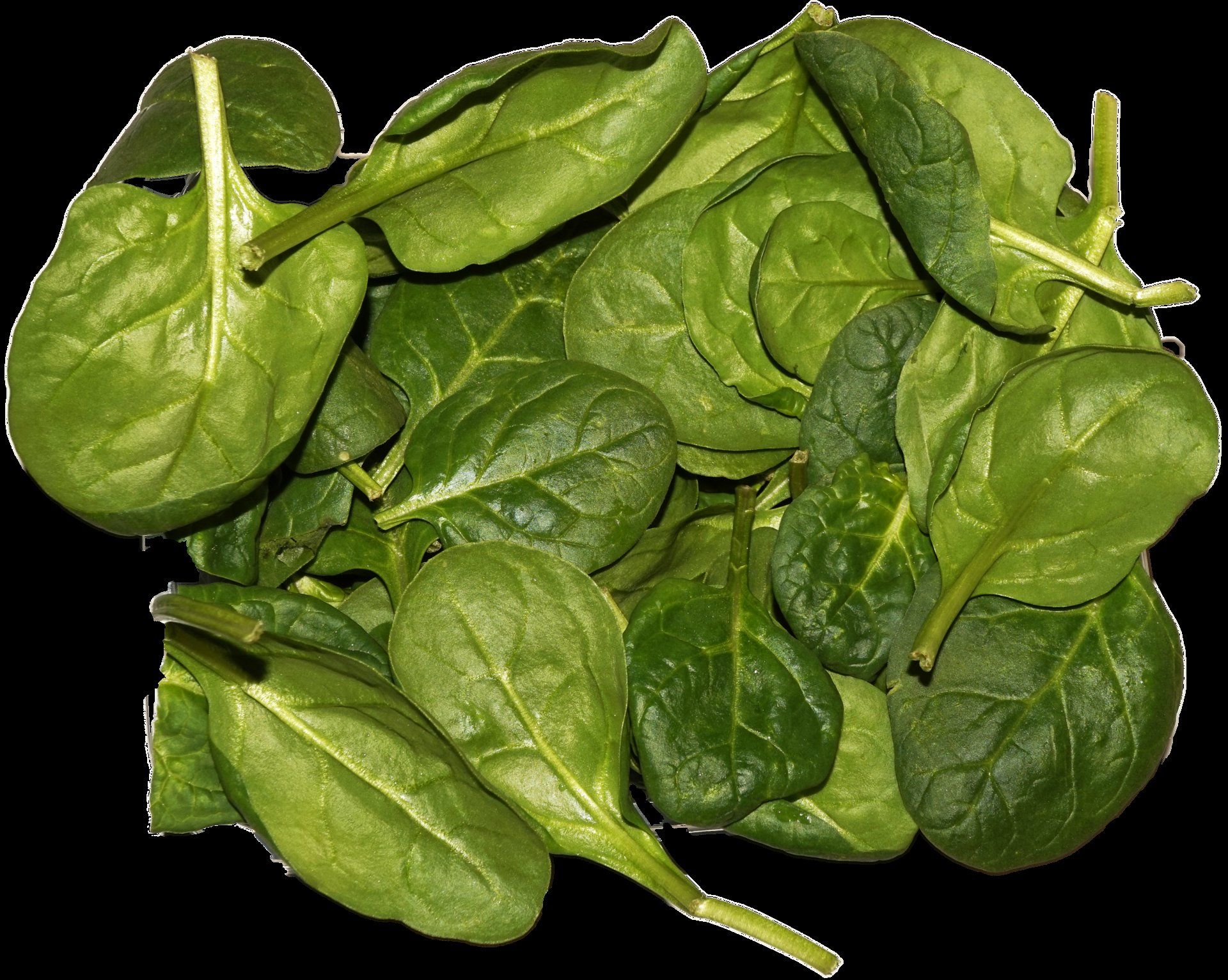
    • 78mg in 90 g of boiled spinach
    • 60mg in 86 g of cooked black beans

    Questions people ask

    Short answers, each linked to the guide that explains it in full.

    Do I need to take magnesium?

    Most adults don't, if they eat a varied diet with wholegrains, nuts, seeds, beans and green vegetables. The Department of Health and Social Care says you should be able to get all the magnesium you need from food. A supplement can make sense if your diet is limited, you take medicines that lower magnesium, or a doctor finds a low level.

    What is the best form of magnesium?

    There is no single best form. Citrate and glycinate are good all-rounders. Oxide is best kept for constipation. If a form upsets your stomach, switch to glycinate or take smaller doses with food.

    What is magnesium good for?

    The best-supported uses are as a laxative for constipation, to help prevent migraine at fairly high doses, and to lower blood pressure by a small amount. It may modestly shorten the time it takes to fall asleep. It is not an energy supplement for people whose levels are normal.

    Can magnesium be harmful?

    From food, almost never. From supplements, the usual problem is diarrhoea. Dangerous overdose is rare and mostly happens with very high doses, magnesium laxatives or antacids, or in people whose kidneys can't clear magnesium.

    What should I look for on a magnesium label?

    The amount of magnesium per serving in the nutrition table, the number of capsules in a serving, the form or forms used, and whether the product contains other active ingredients. Ignore large front-of-pack numbers until you have checked what they refer to.