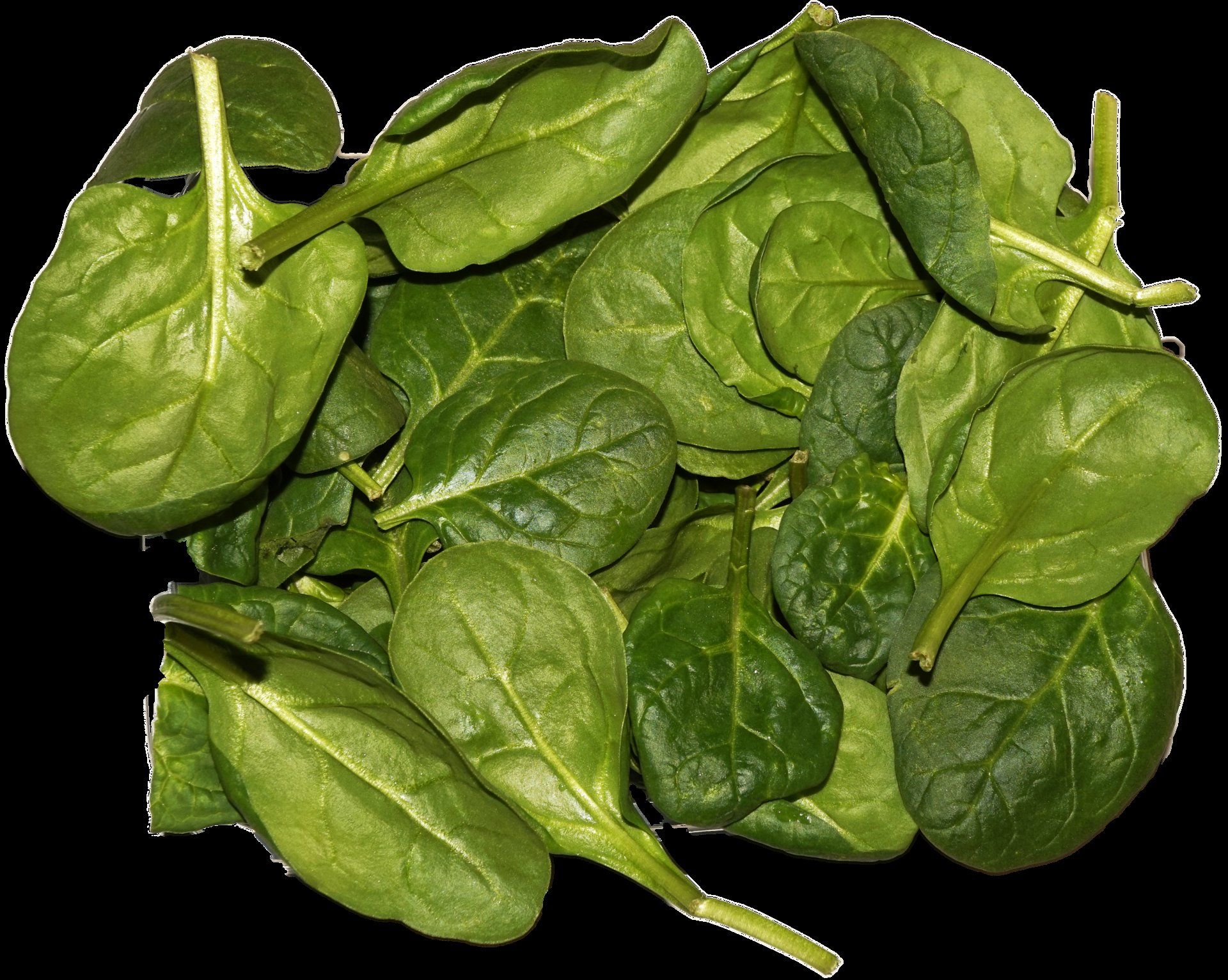
The short answer
The richest everyday sources of magnesium are seeds (especially pumpkin and chia), nuts (almonds, cashews, peanuts), beans and lentils, wholegrains, and cooked dark leafy greens such as spinach. A 28 g handful of pumpkin seeds has about 156 mg, roughly half a woman's daily reference intake.
On this page
Which foods have the most magnesium?
Amounts per typical portion, from the US National Institutes of Health table of food sources, which is based on US government food composition data. UK products are similar.
| Food | Portion | Magnesium |
|---|---|---|
| Pumpkin seeds, roasted | 28 g handful | 156 mg |
| Chia seeds | 28 g (about 2 tablespoons) | 111 mg |
| Almonds, roasted | 28 g handful | 80 mg |
| Spinach, boiled | half a cup (about 90 g) | 78 mg |
| Cashews, roasted | 28 g handful | 74 mg |
| Peanuts, roasted | quarter of a cup (about 36 g) | 63 mg |
| Soya milk | 1 cup (240 ml) | 61 mg |
| Black beans, cooked | half a cup (about 86 g) | 60 mg |
| Edamame beans, cooked | half a cup | 50 mg |
| Peanut butter | 2 tablespoons | 49 mg |
| Potato, baked with skin | 100 g | 43 mg |
| Brown rice, cooked | half a cup | 42 mg |
| Plain yoghurt | 225 g pot | 42 mg |
| Kidney beans, tinned | half a cup | 35 mg |
| Banana | 1 medium | 32 mg |
| Salmon | 85 g | 26 mg |
| Wholemeal bread | 1 slice | 23 mg |
| Avocado | half a cup, cubed | 22 mg |
What does a day that meets your needs look like?
The UK reference intake is 300 mg for men and 270 mg for women. For example:
- Breakfast: porridge or a wholegrain cereal with a spoonful of seeds.
- Lunch: a wholemeal sandwich with peanut butter, or a bean salad.
- Snack: a small handful of almonds or cashews.
- Dinner: salmon or a lentil curry with brown rice and greens.
That comfortably passes 300 mg. The NHS lists spinach, nuts and wholemeal bread as good everyday sources, and says most people can get all the magnesium they need from a varied diet.
Which groups find it hardest?
People who eat a lot of refined foods (white bread, white rice, sugary snacks) and few nuts, seeds, beans or vegetables. Refining grain strips out much of the magnesium, which sits in the bran and germ. Older adults, people with type 2 diabetes and heavy drinkers also lose more magnesium, so they need a good intake. Signs of low magnesium lists the main risk groups. See who runs short.
How much of the magnesium in food do you absorb?
Usually around 30 to 40%, according to the US National Institutes of Health, and more when your intake is low. Some plant compounds, such as phytates in wholegrains and beans and oxalate in spinach, bind a little magnesium, but the foods in the table still count as good sources. Very high doses of zinc supplements can reduce absorption too. Soaking, sprouting and cooking beans and grains reduces phytate.
Does magnesium in food lower blood pressure?
A diet rich in magnesium usually brings potassium and fibre too, and that combination is the basis of eating patterns shown to lower blood pressure. The supplement trials found a smaller effect, of about 2 mmHg: see magnesium and blood pressure.
Food or a supplement?
Food has advantages a supplement doesn’t: the same foods bring fibre, potassium and other nutrients, the magnesium arrives in small amounts through the day, and you can’t overdose. If your diet is limited, a modest supplement of 100 to 200 mg can fill the gap. See which form to choose and how much to take.
Keep reading
- Signs of low magnesium: symptoms and who is at risk
The symptoms of magnesium deficiency, from cramps and twitching to heart rhythm changes, who is most at risk, and when to see a GP.
- Magnesium blood test: what your result means
How magnesium is tested in the UK, what a normal result is, why a normal test can still miss low stores, and whether private tests are worth it.
- How much magnesium do you need a day? UK amounts
UK reference intakes for magnesium by age and sex, how they compare with EU and US figures, and the safe upper limit for supplements.
Common questions
What food is highest in magnesium?
Per portion, pumpkin seeds top most lists, at about 156 mg in a 28 g handful. Chia seeds, almonds, cashews, boiled spinach and black beans follow.
Do bananas have a lot of magnesium?
Not especially. A medium banana has about 32 mg, around a tenth of the daily amount. They are better known for potassium.
Does cooking destroy magnesium?
Magnesium is a mineral, so heat doesn't destroy it, but some leaches into cooking water. Steaming, or using the water in soups and sauces, keeps more of it. Refining grains removes much more: white flour and white rice have far less than wholemeal and brown.
Does tap water contain magnesium?
Yes, especially hard water, which is common in the south and east of England. The amount varies widely by area, and your water supplier can tell you the level in yours.
References
- National Institutes of Health Office of Dietary Supplements. Magnesium: fact sheet for health professionals (Table 2, selected food sources).ods.od.nih.gov
- NHS. Vitamins and minerals: others (magnesium).nhs.uk
- Public Health England. Government dietary recommendations, 2016.assets.publishing.service.gov.uk
- European Food Safety Authority. Scientific opinion on dietary reference values for magnesium, 2015.efsa.europa.eu
First published 4 November 2026. Spotted an error? Tell us and we'll correct it. Read our editorial policy.