The short answer
Magnesium is a mineral the body needs for more than 300 enzyme reactions, including turning food into energy, making DNA and protein, and keeping nerves, muscles and heart rhythm working normally. An adult body holds about 25 g, mostly in bone. Most people can get enough from food; some groups run short.
On this page
What does magnesium do?
Magnesium is a working part of more than 300 enzymes, the proteins that run the body’s chemistry. Among other things it is needed to:
- release energy from food (the body’s energy molecule, ATP, is active only when bound to magnesium)
- make proteins and copy DNA
- carry nerve signals and let muscles relax after they contract
- keep a steady heart rhythm
- build bone and help the parathyroid glands, which control calcium, work normally
- help insulin move sugar into cells
The NHS summarises it as helping turn food into energy and keeping the parathyroid glands, which produce hormones important for bone health, working normally.
Where does the body keep it?
An adult holds about 25 g of magnesium. Between half and 60% is in bone, and most of the rest is inside the cells of muscles and soft tissues. Less than 1% is in the blood. The body keeps blood levels in a narrow range by drawing on bone and by adjusting how much the kidneys let go, which is why an ordinary blood test can look normal even when stores are low.
How much do you need?
In the UK, the reference intake is 300 mg a day for men and 270 mg for women aged 19 to 64. Other bodies set higher figures: the European Food Safety Authority says 350 mg for men and 300 mg for women. See how much magnesium you need for every age group, and the safe upper limit for supplements.
Who is most likely to run short?
- Older adults, who absorb less from food and lose more through the kidneys.
- People with type 2 diabetes, because high blood sugar increases losses in urine.
- People who drink heavily.
- People with conditions that affect the gut, such as Crohn’s disease or coeliac disease, or who have had bowel surgery.
- People taking proton pump inhibitors (such as omeprazole) for a long time, or loop and thiazide diuretics.
- People who eat few wholegrains, nuts, seeds, beans and green vegetables.
Food or supplements?
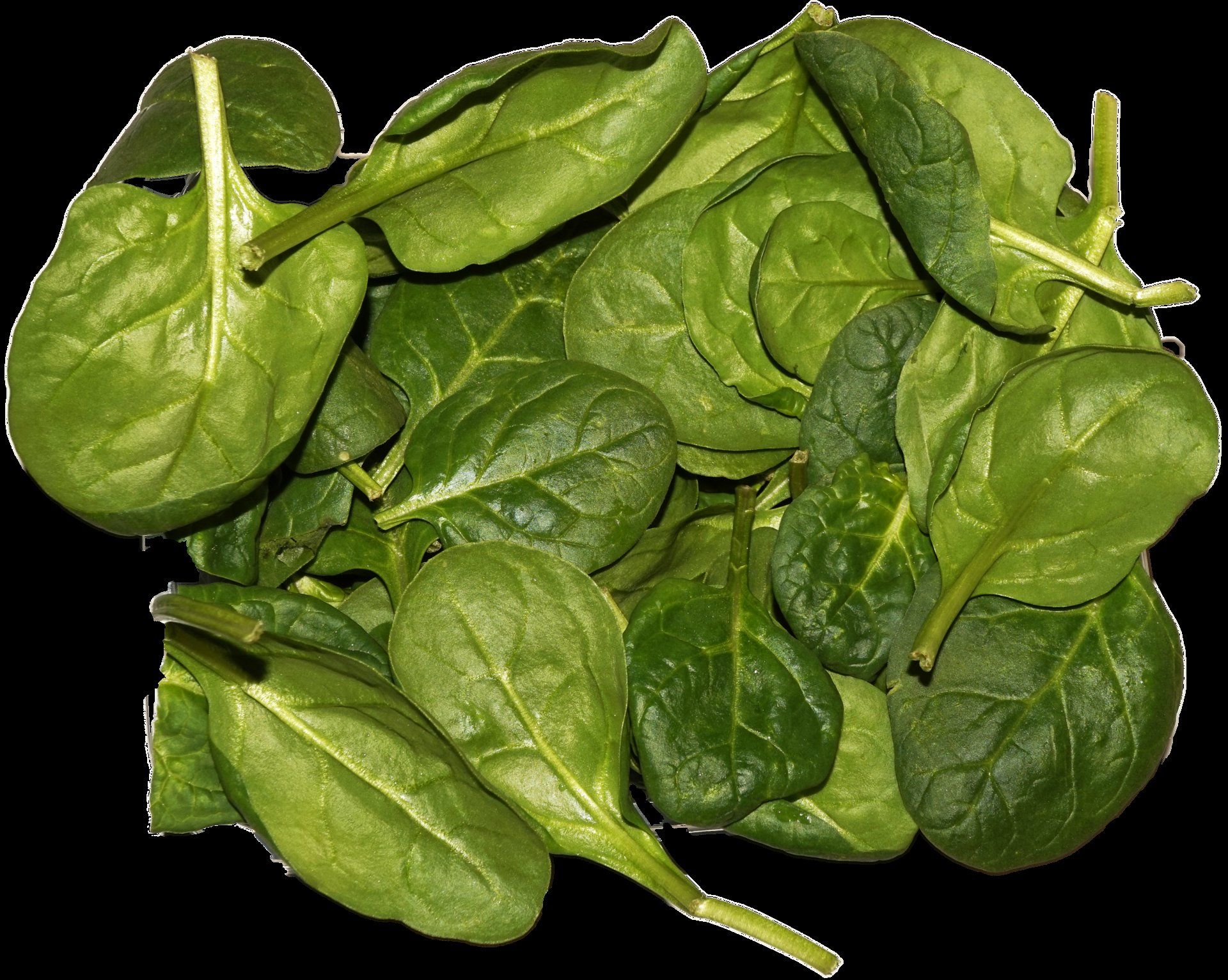
Food first. The richest sources are seeds, nuts, beans, wholegrains, dark leafy greens and, more modestly, dark chocolate. See foods high in magnesium. Supplements are useful when your diet falls short, when you are in one of the groups above, or for specific uses with some evidence, such as migraine prevention or constipation.
If you do take one, the form changes how much magnesium is in each capsule, and the dose matters more than the brand.
In this section
- How much magnesium do you need a day? UK amounts
UK reference intakes for magnesium by age and sex, how they compare with EU and US figures, and the safe upper limit for supplements.
- Foods high in magnesium: the best UK sources
The foods with the most magnesium per portion, from pumpkin seeds to spinach and beans, and an easy day of eating that meets the UK reference intake.
- Signs of low magnesium: symptoms and who is at risk
The symptoms of magnesium deficiency, from cramps and twitching to heart rhythm changes, who is most at risk, and when to see a GP.
- Magnesium blood test: what your result means
How magnesium is tested in the UK, what a normal result is, why a normal test can still miss low stores, and whether private tests are worth it.
Common questions
Do I need to take magnesium?
Most adults don't, if they eat a varied diet with wholegrains, nuts, seeds, beans and green vegetables. The Department of Health and Social Care says you should be able to get all the magnesium you need from food. A supplement can make sense if your diet is limited, you take medicines that lower magnesium, or a doctor finds a low level.
Is magnesium a vitamin?
No. It is a mineral, an element (number 12 in the periodic table) that the body cannot make, so it has to come from food and drink.
What happens if you don't get enough magnesium?
Mild shortfalls usually cause no obvious symptoms. Real deficiency, which is uncommon and usually linked to illness, alcohol or medicines, can cause tiredness, weakness, cramps, tremor, tingling and abnormal heart rhythms.
References
- National Institutes of Health Office of Dietary Supplements. Magnesium: fact sheet for health professionals.ods.od.nih.gov
- NHS. Vitamins and minerals: others (magnesium).nhs.uk
- EFSA Panel on Dietetic Products, Nutrition and Allergies. Scientific opinion on dietary reference values for magnesium. EFSA Journal, 2015.efsa.europa.eu
- Costello RB et al. Perspective: the case for an evidence-based reference interval for serum magnesium. Advances in Nutrition, 2016.pubmed.ncbi.nlm.nih.gov
First published 4 November 2026. Spotted an error? Tell us and we'll correct it. Read our editorial policy.